Help Design a Practical High Plains Homesteading & Resilience Community
FYREshire is an exploratory community-development project for families, builders, growers, tradespeople, professionals, and practical problem-solvers interested in food and water security, resilience, rural living, recreation, and community in the Texas Panhandle High Plains in the Amarillo Region.
Welcome to Texas! Don’t chase the armadillos!
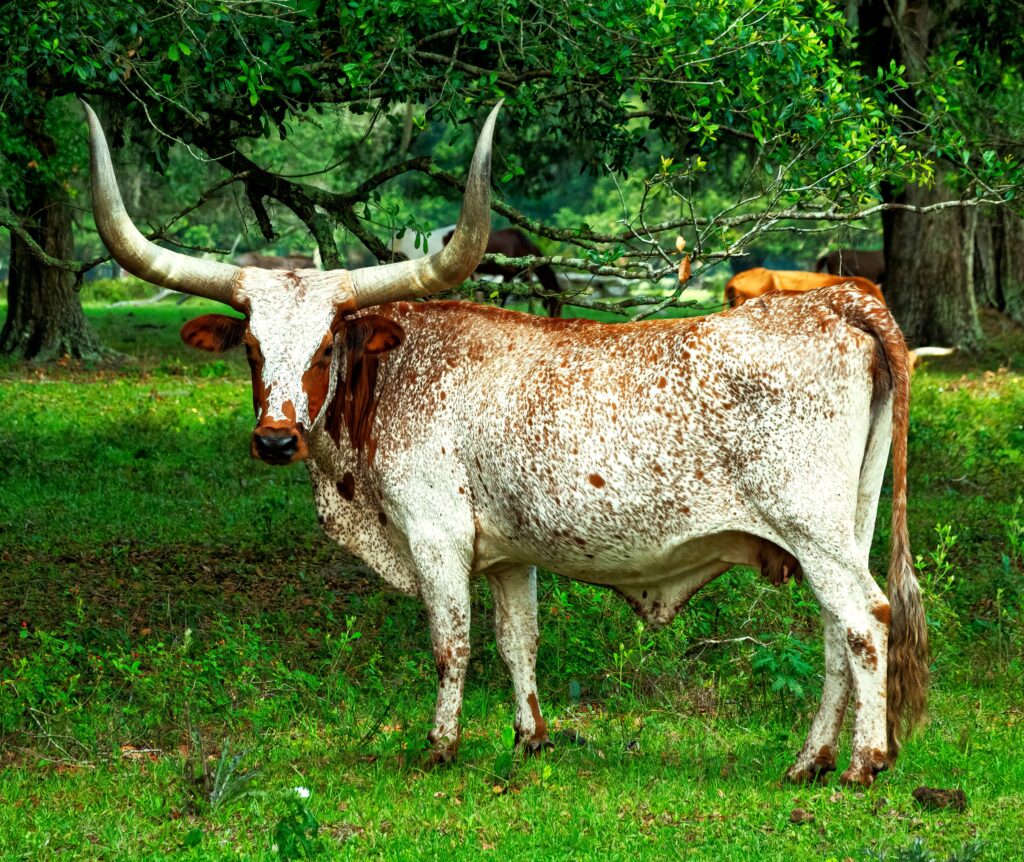
Texas loves its longhorns.
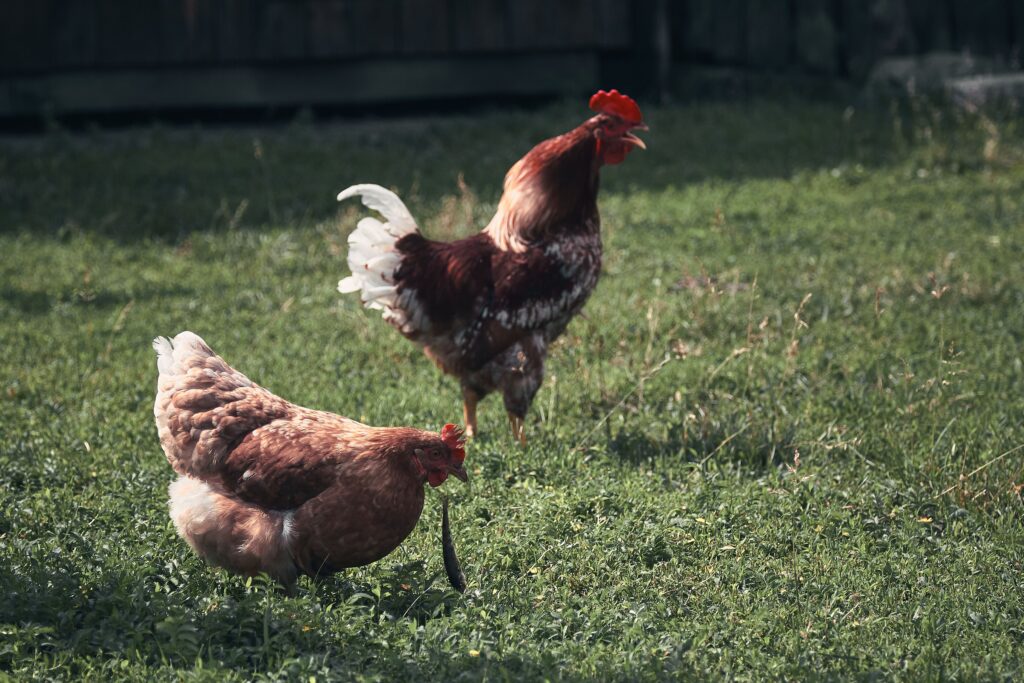
We definitely want chickens!
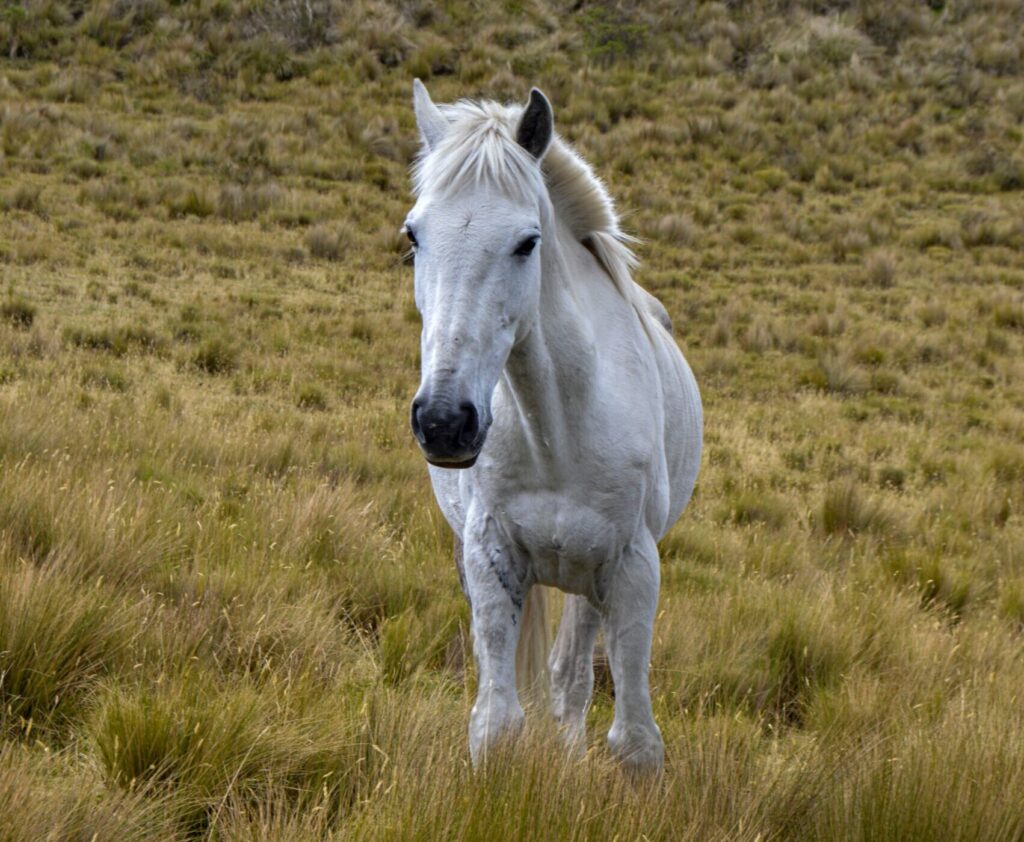
Should our community have an equestrian component?
What is FYREshire?
The FYRE in FYREshire stands for Find Your Rural Escape. We are exploring the creation of a private, membership-based homesteading and resilience community on the Texas High Plains. The concept includes family homestead areas, a town square/community core, food production, water and waste systems, a business and support zone, RV and cabin guest facilities, and thoughtful plans for emergency readiness and community governance. Get out of the city and sprawling suburbs and see what we have to offer.
What makes this different
This is not a subdivision sales campaign. The goal is to build a durable working community where people can live, participate part-time, build useful skills, create resident businesses, and contribute to practical systems for food, water, shelter, communications, security, and mutual support.
Who should join the list
We are looking for serious people who want to help shape the model before formal membership begins: homesteaders, farmers, builders, medical professionals, mechanics, welders, electricians, planners, engineers, IT and communications people, teachers, entrepreneurs, project managers, veterans, first responders, investors, and families who want a credible path toward resilient rural living.
Vision & Principles
The vision is to create a practical, family-oriented High Plains community built around self-reliance, mutual support, useful skills, local enterprise, and long-term resilience. A place to live, learn, build, and belong.
Principle 1: Practical resilience
We believe resilience should be designed into everyday life: water storage, food production, storm sheltering, communications, energy redundancy, repair capability, and trusted people who know how to work together.
Principle 2: Community before crisis
The strongest preparedness plan is a functioning community before an emergency happens. Trust, governance, work routines, skills, and relationships must be built in normal times.
Principle 3: Accessibility
The goal is to keep the model as affordable as possible through phased infrastructure, member participation, shared facilities, skill-based contribution, business income, and practical design choices.
Principle 4: Useful work
The community should create jobs and businesses, not just consume money. The business and support zone is intended to support resident enterprise, training, repair, agriculture, hospitality, logistics, and other useful services.
Principle 5: Good neighbors
The community should be private and selective without being secretive. It should operate lawfully, respect surrounding landowners, and be a benefit to the surrounding communities.
Principle 6: Serious governance
The community will need clear rules, defined member rights, conflict resolution processes, and separate plans for normal operations and contingency plans. For those that have had bad HOA experiences like some of us here at FYREshire, have no fear. An overzealous HOA with arbitrary enforcement is not an acceptable way to run a community! Help us make the rules!
Community Concept
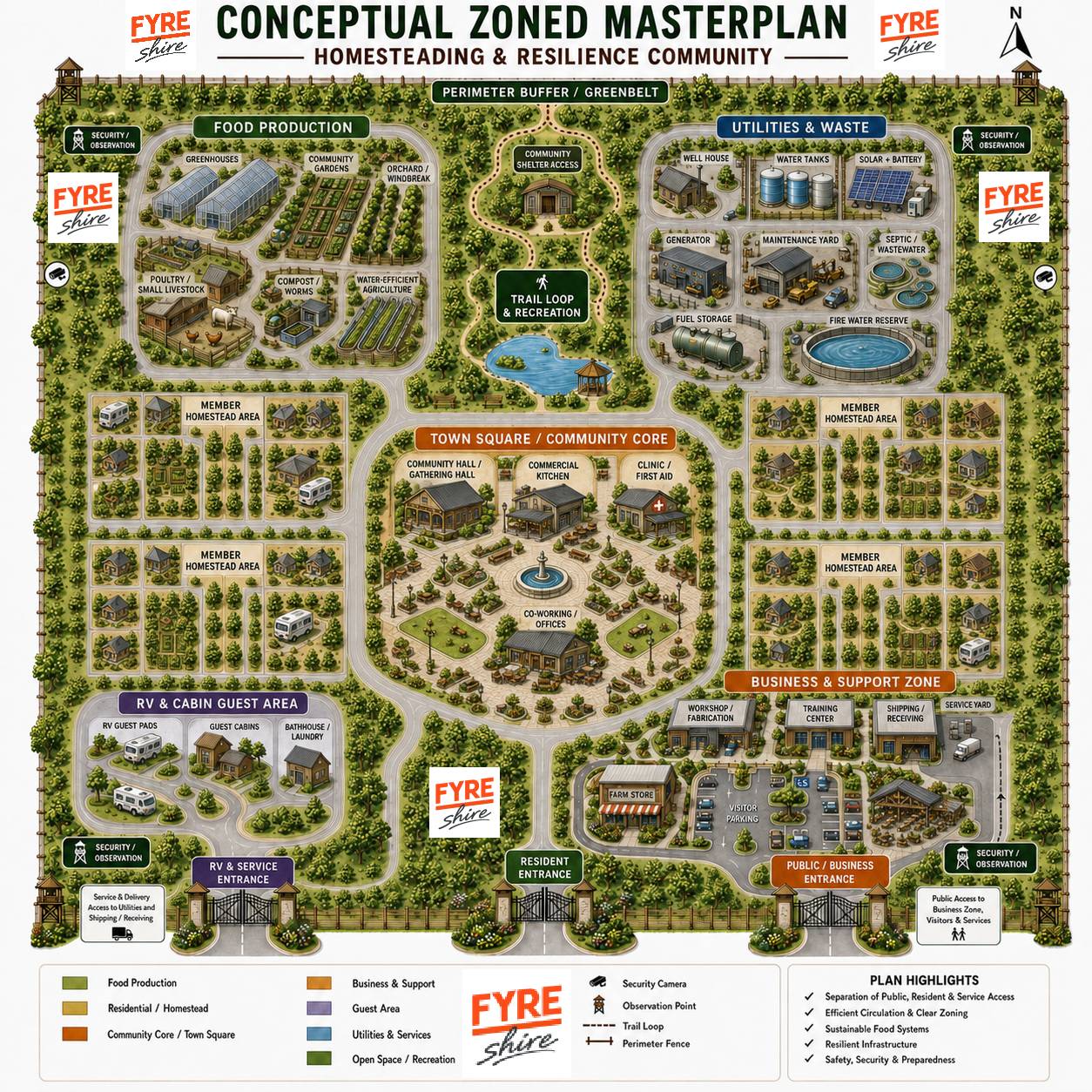
Like a village, the community would be a zoned rural community designed for everyday use and long term resilience. The proposed concept uses a square or compact property concept organized into distinct zones based on each zones related activities and purpose. Public-facing uses would stay near controlled entrances and away from resident areas. Residents would have a dedicated entrance that is separate from the public-facing areas and away from RV and service traffic, where possible. Food production, utilities and waste, and support activities would also be located away from resident areas where they can function safely and efficiently and minimize disturbances to residents.
Resident Homestead Zones – RESIDENTS ONLY
Resident Homestead Zone areas are intended to be dedicated family spaces and could take various forms. There would be multiple homestead zones at full buildout and a variety of homestead types would likely be grouped together with similar types of structures within each homestead zone. For example, some homestead zones could be RVs on pads while other homestead zones are small or medium size homes. Each homestead zone would have lots and the ability to add their own gardens, sheds, and other features. The exact legal model may be a membership license, lease, cooperative occupancy right, or later a platted ownership model, depending on legal and county review. This has yet to be determined and requires further evaluation of Texas law.
Town Square Zone – RESIDENTS & MEMBERS ONLY
The town square is the social and operational heart of the community. It would be a core element of the community with a Great Hall as a flexible use space for gatherings, events, church services, training, and other group activities. Withing the Great Hall or maybe in other buildings could be areas for administration offices, a clinic or first-aid station, homeschooling classrooms, or other uses. Outside would be a family commons area with shared outdoor plaza, probably with a fountain or similar such decoration.
Community Shelter – RESIDENTS & MEMBERS ONLY
While not an actual zone, it is worth noting that there would be access to a Community Shelter to provide residents with a safe, secure place to go in place of severe storms, high winds, tornados, or other emergency situations where seeking shelter is necessary. Shelter planning would be professionally engineered and integrated into the emergency governance plan. There could be more than one shelter depending on the final overall size and layout of the community.
Food Production Zone – RESIDENTS & MEMBERS ONLY
The food production zone may include greenhouses, community gardens, orchards and windbreak plantings, poultry and livestock, worm systems, seed starting, and related activities.
Utilities & Waste – AUTHORIZED PERSONNEL ONLY
Utilities should be planned as a service campus with a well house, water storage tanks, septic/wastewater treatment, composting, solid waste shredding/compaction, bulk solid waste disposal in dumpsters, and fire-water reserve.
Support Zone – AUTHORIZED PERSONNEL ONLY
The Support Zone would include a warehouse and equipment yard to support community activites. This zone is intended for shipping/receiving and warehousing of communities goods and materials, fuel storage, equipment storage, equipment maintenance, and vehicle maintenance.
Recreation Zones – RESIDENTS, MEMBERS, AND RV PARK GUESTS ONLY
Recreation Zones are intended to provide recreation options for members and their guests, residents and their guests, and RV Park guests. There would likely be a mix of access so that RV Park guests would not necessarily have full access to all of the recreation areas within the community. Some of the potential recreational amenities could include a pool and water park area, an adults only pool, hot tub, maybe a lazy river, skeet/trap shooting, 100 yard shooting range, horse back riding, hay rides/wagon rides, a lake and fishing, paddleboats, canoes, or kayaking, and multiple separate trails throughout the property with some for walking, some for bike riding, and some for quads or ATVs, sports fields, paintball fields, and more. There could be certain recreational activities that make more sense to locate near the RV Park Zone or the Enterprise Zone, but that will require further further evaluation.
RV Park Zone – RV PARK GUESTS ONLY
The RV Park Zone would be separate from all of the other zones except for the Recreation Zone. It would probably provide RV pads with fire rings, cabins, a bathhouse, and laundry facilities.
Enterprise Zone – PUBLIC
The Enterprise business is intended to create income, jobs, and services for residents. Residents with an an entrepreneurial spirit would be able to lease space within this zone for a wide variety of business endeavors. Residents would have priority in leasing space within the zone over non-residents. This zone would be a public-facing area for commerce benefitting the residents and neighbors. The uses may include a country store or farm store and other retail shops, coffee shop/restaurant, workshop/fabrication spaces, manufacturing activities, co-working spaces, offices, visitor parking, and probably an open, but covered marketplace for use as a farmer’s market or flea market/yard sale, concert venue during different parts of the year.
Current Conceptual Zoning Diagram
Join the interest list and complete the community design survey.
View the concept masterplan to the right.
Be advised that the diagram above is a working concept, not a final engineering plan. It is intended to help prospective members and working groups discuss circulation, privacy, business activity, member and guest access, food production, utility placement, and town-square design. There is much more work to be done before we will have the final masterplan. It will change and evolve and improve over time until we get closer to construction.
Feedback requested
We are looking for constructive input from people that are interested in our concept, could possibly see themselves living in such a community, and people with experience in rural development, water systems, septic/wastewater, farming, off-grid power, construction, site planning, emergency management, hospitality, community governance, and other relevant skillsets, experience, and knowledge. All constructive criticism and feedback is appreciated.
Potential Locations
We are evaluating High Plains locations in the panhandle of Texas with elevation, practical access, water feasibility, and long-term community viability in mind.
Primary counties under consideration
Initial county candidates may include Oldham, Deaf Smith, Hartley, Dallam, Parmer, and selected areas of Castro County, subject to parcel-level verification.
Site selection criteria
Potential sites will be evaluated for elevation, access, road frontage, privacy, drainage, well potential, groundwater district rules, septic/wastewater feasibility, soil conditions, wind exposure, wildfire risk, neighboring uses, utility options, county subdivision requirements, emergency-service access, and long-term expandability.
Important disclosure
No county or parcel should be assumed to be selected until due diligence is complete. County-level elevation or suitability does not guarantee a specific parcel is usable.
Membership Concept
We are exploring a phased membership model built around participation, community contributions, and member readiness to live in the community full time. This membership-based structure that may include participating members, absentee members, skill-discount members, and a founding cohort. The final structure will depend on legal review, site selection, infrastructure cost, and member feedback.
Participating members
Participating members would receive dues credits in exchange for consistent community contribution, workdays, professional help, training, administration, maintenance, food production, or other approved participation.
Absentee members
Absentee members may want access to the community as a second home, recreation property, or future relocation option. They would likely pay higher dues because they contribute less day-to-day labor unless they are participating remotely as some roles can.
Skill-discount members
Some members with high-value skills may qualify for reduced pricing or dues credits if they commit to defined roles such as medical, engineering, science, or security-support roles. This may not be available if the community has adequately built out particular skillsets.
Founding cohort
The first formal group would likely be a founding cohort of 25 serious prospects who help define/refine bylaws, working groups, county research, site selection, infrastructure priorities, and other necessary activities to move this project forward.
Pricing note
In initial concept development, the two main revenue means for the community would likely be the initial membership fee and the membership dues. Early concept pricing has been discussed in a broad range of approximately $75,000 to $250,000 per family membership (with financing options) depending on the size of each structure and the level of improvements. The final pricing cannot be set until land, legal structure, infrastructure, and operating costs are better defined. The membership dues have not been determined yet, but would likely include some primary services, such as water and waste, common area maintenance, and possibly lot lawn care. The goal is to make this community affordable for the average American family.
JOIN US.
Submit a survey and help guide the direction of the community.
START SURVEY
Why You Should Complete the Survey NOW.
If you like what we are doing, but still think that joining isn’t an option for you, please consider submitting a survey anyway becasue we would appreciate the feedback. Don’t delay and take the next step today!
FAMILY SECURITY
Most families just cannot build meaningful resilience alone. FYREshire provides your family with a practical support base.
LIKEMINDED FOLKS
Live amongst folks who are selected for membership based on their character, skills and capabilities, and share a common goals and values.
READY EVEN IF YOU AREN’T
You do not have to abandon your current life to begin building your family’s future homestead. You can increase participation over time.
HAVE FUN! IT’S GOING TO BE WORK, BUT WE CAN MAKE IT FUN TOO.
FYREshire is a place to learn, grow, add value for each other, and collaborativelybuild a functioning community.
Now What?
If you filled out a survey, THANK YOU! If not, then here are some other options for your consideration.
SIGN UP FOR UPDATES
No worries. We promise not to blow up your email inbox. Our typical contact frequency for updates will be about 4-6 times per year.
WHAT ELSE?
Do you think we missed something or do you have great ideas that make or our community even better? Contact us and let us know. We would love to hear from you.
CONSIDER DONATING
If you like what we are doing, but joining us isn’t an option for you, consider donating to the cause but only if it will not cause a hardship.
 Welcome to Texas! Don’t chase the armadillos!